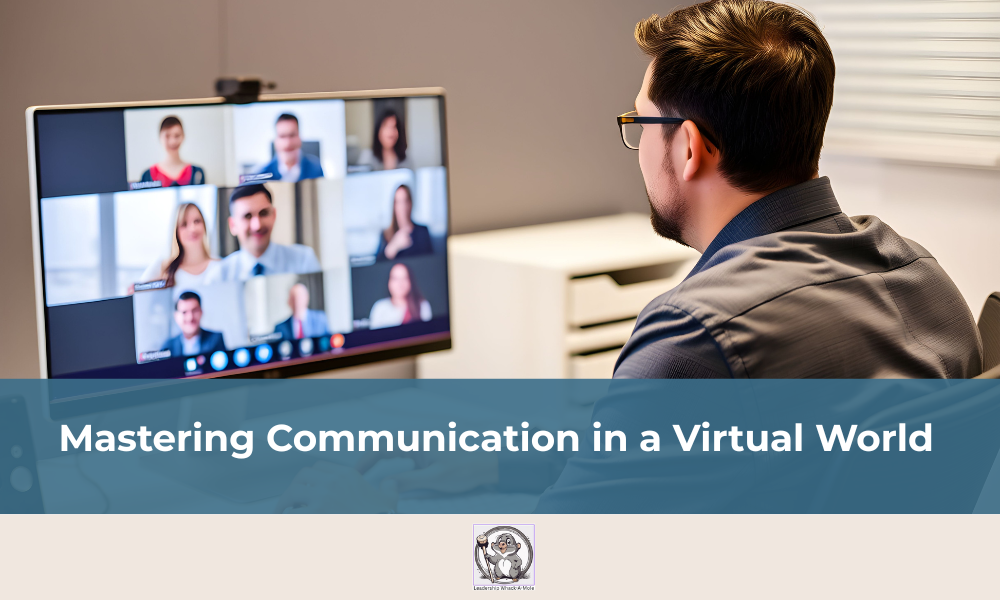
As virtual and hybrid work environments continue to grow, the demand for strong communication skills among employees has never been more critical.
Open Systems Theory teaches us that a change in one part of a system inevitably impacts other parts—and the system as a whole. Within this framework, the concept of “suboptimization” is critical. Suboptimization occurs when one part of a system seeks to optimize its own performance without considering the broader organizational context. This can result in unintended negative consequences for other parts of the system or the organization as a whole.
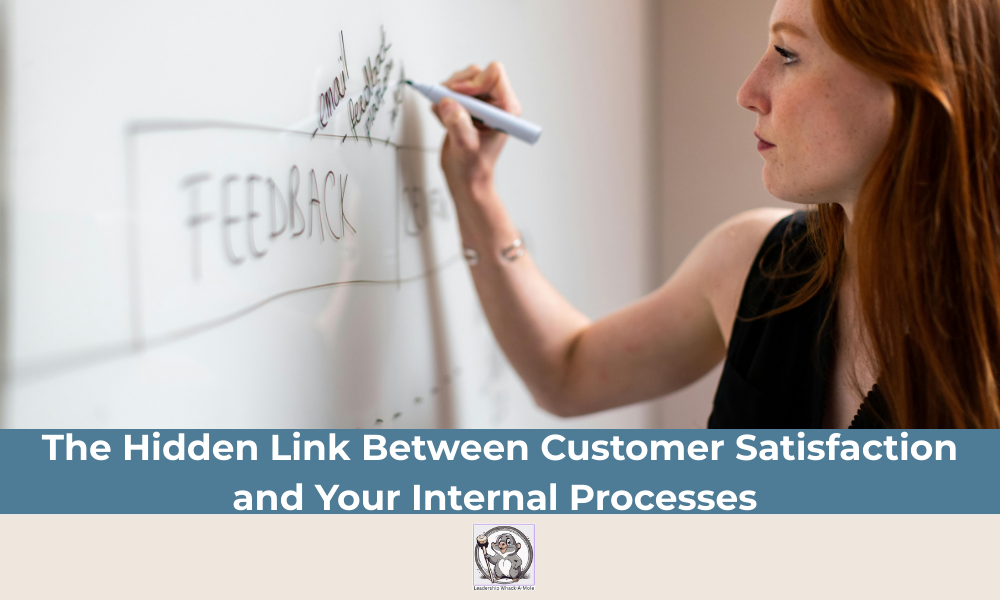
The most effective way to ensure consistent customer satisfaction is through process management. A business functions as an interconnected system, where various processes must work in harmony to deliver value to customers. To meet customer expectations, all internal processes must be both optimized and aligned.
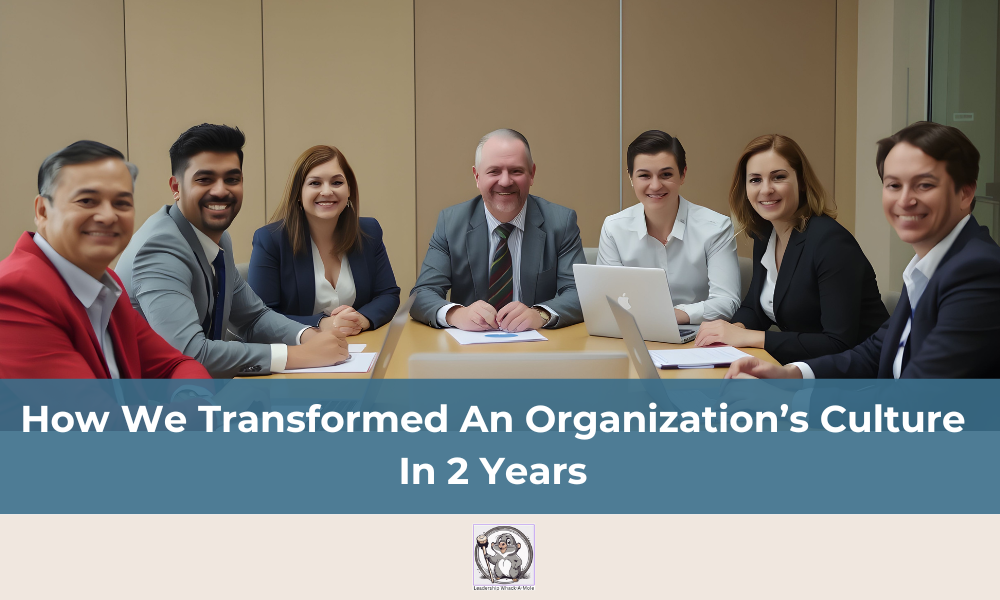
The central objective was to shift the organizational culture—fostering collaboration between departments, reducing destructive behaviors, and creating a mission-aligned, high-performing environment. This transformation would be supported by employee engagement, leadership development, and performance metrics, and would unfold over two years.
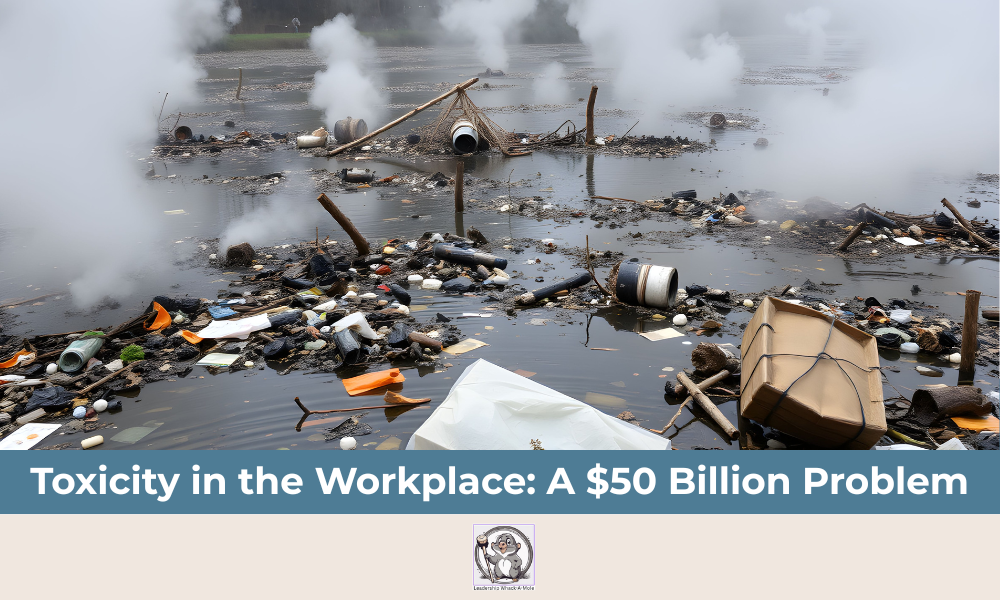
When left unaddressed, toxic behaviors can lead to heightened stress, reduced productivity, diminished morale, increased burnout, higher turnover, and even disruptions to employees’ personal lives.
Performance issues are a reality in any workplace—and they’re not always the fault of the individual. When problems arise, jumping straight to a Performance Improvement Plan (PIP) may not be the most effective path. Instead, it’s far more useful to take a step back and conduct a performance analysis.